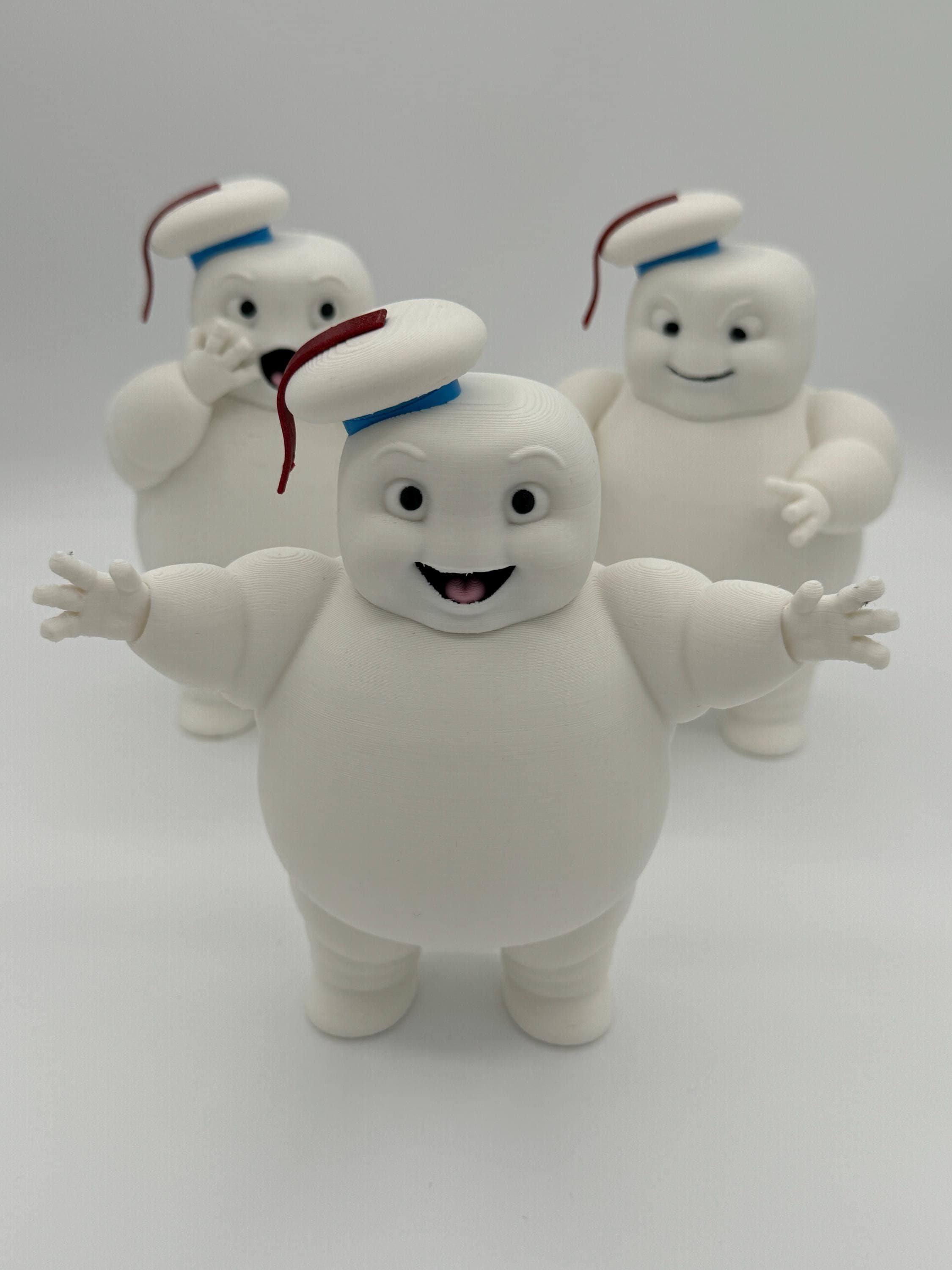
This blog is the second part to a prior blog. If you haven’t read Marshmallow Man Part 1, I recommend you read it first
About a year and a half after my first trip to Haiti, I returned to Port-au-Prince, this time with pastors I knew and buddies from my area.
On the second day of our trip, we were scheduled to return to the orphanage I’d visited a year and a half before.
I wasn’t up for a repeat jump rope performance, so I cautiously engaged kids, planning to avoid playtime and any sign of jump ropes.
I kept busy without drawing attention to myself, while blending into the background and avoiding eye contact with the children.
I’m guessing she was three or four years old. She approached me and reached up in the “pick me up” motion. I intended to stay away, and now I’m carrying a 4-year-old.
I tried to put her down, but she refused and held on tighter. I tried to look away, but she held my face and forced me to look at her face alone.
As much as I didn’t want to be seen, I was being seen. I couldn’t hide.
Sarah and I don’t have kids. This little girl had no parents. My heart broke as I looked at her and took in the moment of connection. I’m soft like the Marshmallow man, I guess.
After she let me put her down, I was asked if I’d like to play with the kids or take a tour. I quickly accepted the tour offer. I saw their drinking water purifier, food prep area, and the dorms.
On my way back, I saw a little boy sitting on the staircase. He was missing all the fun. As I looked him over, I realized his legs didn’t work. He couldn’t get around on his own, so I’m guessing he was just left there.
All the kids were having fun, but he couldn’t join in because of his disability. Today I get this, now that I’m half paralyzed after my stroke. I miss getting out and doing what others can easily do.
I’ve grown to hate my wheelchair. I didn’t want to be seen in it. It represented missing out on getting around and being with others. I despised it. It represents being stuck where I’m left and not being able to join in on the fun the rest of you can have. I feel disconnected from everyone.
I miss people yet don’t want to be seen this way. It’s complicated.
Due to my stroke, I have experienced tremendous loss.
What do I do with my pain from loss? How do I move forward when, daily, I’m reminded of loss?
At first, I went full-on hermit and stayed away from everyone. The COVID pandemic made this possible. I missed all holidays with family for about two years, and Sarah and I were out of church.
I was also embarrassed by my disability. So, I convinced myself I didn’t need others. But one day, it hit me: I missed people.
So “hermiting” wasn’t the answer. I was lonely. But I also found myself getting callous toward people. I was losing my soft heart. I was becoming less marshmallow and more rigid toward others.
Finally, one Sunday, Sarah and I went to church, and I learned something.
As Sarah helped me out of the car, a crowd of kids played in the grassy area. A little girl in a Sunday dress was chasing friends, and as she did, she screamed the “I’ve lost a limb” type scream.
This confused me. She was the one doing the chasing. Why is she screaming? If it's that traumatic, stop chasing. It's simple.
I was irritated. And my inner voice had an honest reaction. For this, I’m not proud. I thought, “Dumb kid.”
I used to be so kind and understanding. I didn’t like this response.
During the service, the preacher said something that convicted me even more. Something along the lines of, " What you fill your life with leaks out when you don’t expect it.”
I was getting grumpy after my stroke. Leaving community and marinating in my bitterness had made me this way. I needed to change something.
After church, I texted friends I’d lost connection with. That day my college buddy offered to visit. He planned to bring his wife and daughter, whom I hadn’t met. They would drive four hours to see me.
Minutes before they arrived, I had a meltdown. Sarah asked what was wrong. I told her, “I’m afraid for an old friend to see me broken like this.”
I wrestled with these conflicting feelings: I missed people who knew me, yet didn’t want them to see me broken.
I don’t like marshmallows, at least not alone. They only work with other stuff, like cereal, such as Lucky Charms.
I don’t work well alone, either. I learned this after removing myself from community.
In a prior blog called “Father,” I wrote that my morning prayer time is me meditating on the Lord’s prayer. It begins with this line:
“‘Our Father in heaven,
hallowed be your name…” (Matthew 6:9)
The word I want to point out is “Our.” It's not a personal prayer; it’s not “My Father.” It's a prayer that forces me, daily, to face community.
While I meditated on the word “Our,” I came to an important conclusion: I’m not a self-made man. I’m the product of those who’ve left a mark on me. I need community. That’s probably what Solomon was saying when he wrote:
“As iron sharpens iron,
so one person sharpens another.” (Proverbs 17:17)
Every morning, I thank God for the many who have left their mark on my life. Grandpa taught me to love others. Sarah showed me my value even in a wheelchair. If you're reading this, I’m thankful for you too. You're helping me feel useful again.
Pastor, you are amazing... Thank you for being a light in my life. I love you friend. 💜
ReplyDeleteThis blog has a new level of humanness, transparency, and loss. Ironically the broken you has a low tolerance for these attributes in spite of the fact that they are your reality. That is where the dissonance you feel lives. Many suffering people completely understand. Here is the power of your words. You combine your situation in life, that is the raw experience of profound loss, with a highly developed personal relationship with God. Moreover it continues to unfold. When you open the blinds of your life and experience, people resonate with it. They want more because you actually know the pain and the never ending process. Tell us more.
ReplyDeleteILovYouVeryMuch My Brother and Friend And To My Sister And Friend Sarah, You are A True Blessing!! ILovYouVeryMuch 💖 💖 💖 💖
ReplyDelete